
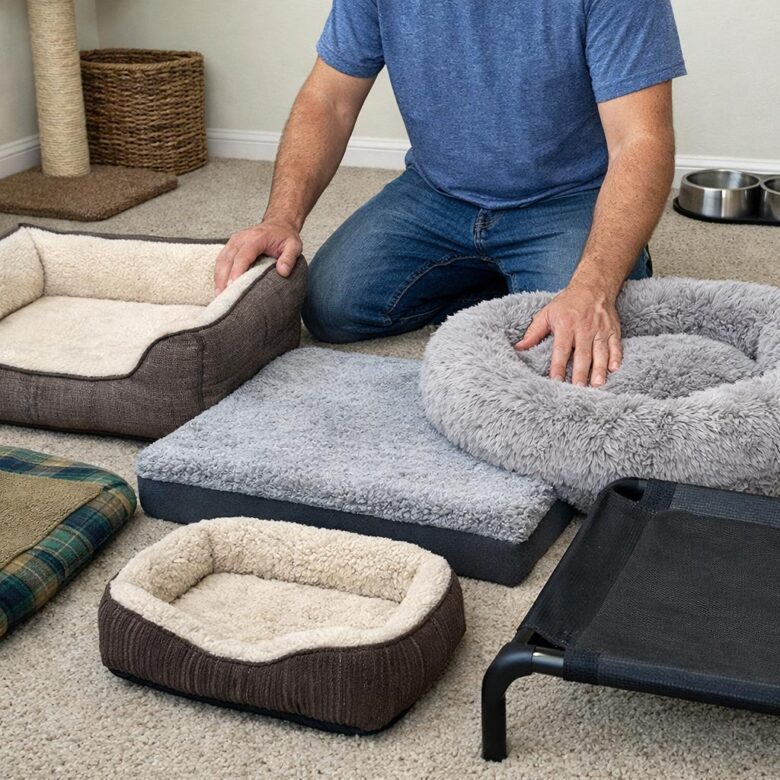
Choose a pet bed based on your pet’s size, sleep style, and joint needs. Supportive foam, washable covers, and raised edges can improve comfort and long-term rest quality.
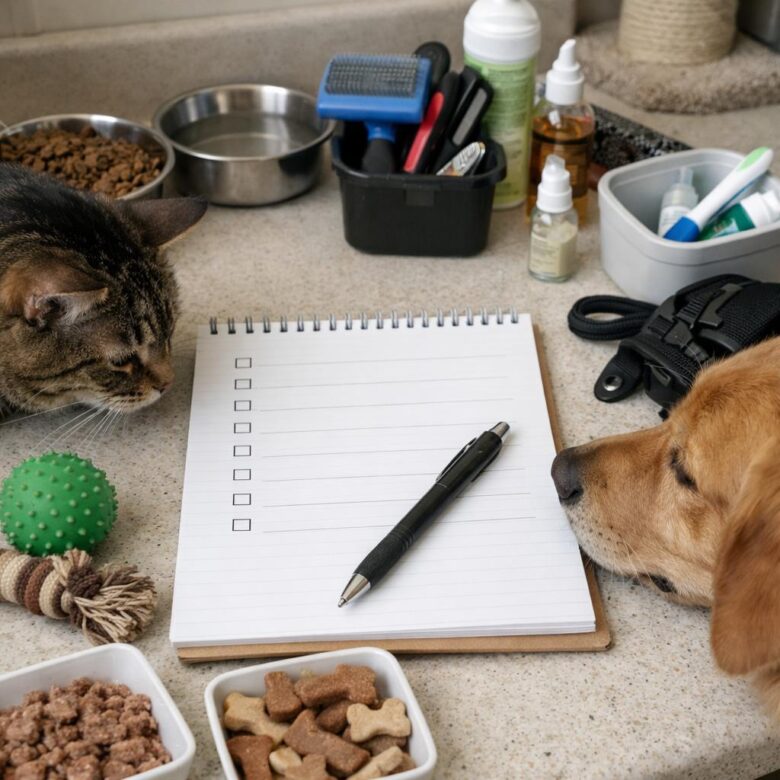
Build consistency: feed pets at set times, refresh water, schedule walks or play, clean litter daily, and note appetite, energy, or behavior changes.

Pet-proof your home by securing cords, locking away toxins, using sturdy gates, and keeping small objects off floors. Add non-slip rugs and safe resting spaces to reduce everyday risks.
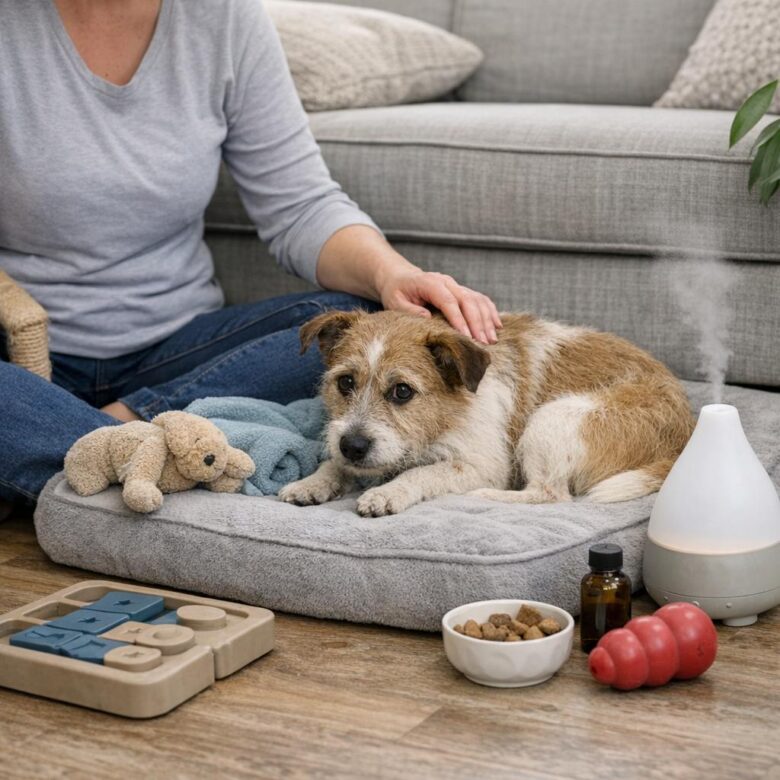
Create a quiet retreat with familiar bedding, dim light, and fresh water. Use calm routines, gentle praise, and avoid forcing contact; if anxiety persists, consult your veterinarian.

Keep pets healthy with balanced meals, clean water, daily exercise, grooming, parasite prevention, and regular checks for changes in appetite, weight, or behavior.

Essential grooming tools include a slicker brush, nail clippers, pet-safe shampoo, ear wipes, and a fine-tooth comb to keep coats healthy and spot issues early.